Following an analysis of enrolment and graduation records from 2016 to 2020, it was realized that some faculties had recorded low numbers of Residents and Senior residents’ admissions. Priority areas with low enrolment were identified for both Membership and Fellowship programmes; for the former, it enlists, Radiotherapy, Radiology, Otorhinolaryngology, Psychiatry, Laboratory Medicine, Emergency Medicine, Anaesthesia and Ophthalmology. For Fellowship training, focus was zeroed in on the following: Cardiothoracic Surgery, Neurosurgery, Orthopaedic Surgery, Pediatric Surgery, Plastic Surgery and Urology for the Surgeons and on Cardiology, Endocrinology, Nephrology and Neurology for the Physicians.
This occurrence consequently affects the practice of medicine in the aforesaid specialties as it eventuates a dearth of professionals in that regard. Additionally, the process of trainer-development is hindered due to low records of fellowship enrolment.
To resolve this trend the College devised six interventional measures that will firstly, ensure that the disbursement of government scholarships is modulated to benefit trainees who opt to train in priority areas. Secondly, trainees applying for membership priority areas will have the requirement of rotational duties waived; the one year off that precedes fellowship training will also be waived. Additionally, these measures also aim at increase number of training sites, advance ICT-delivered training and establish and enforce norms for engaging senior specialist and consults for the training benefits of trainees.
Lastly, the top 10% of graduating doctors as determined by medical school grades and housemanship assessment will be enrolled through the accelerated specialty training. This means that they will be allowed to apply for the specialty of their choice and still be funded by government scholarship. Also, in this category, residents who have an overall score of 70% or higher in their membership training will be allowed to enroll for fellowship without the one-year service requirement.
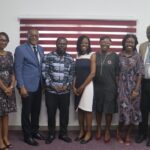
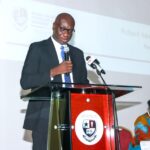
The College is happy to announce that it has enrolled its first set of residents through its accelerated specialty training. In this article, light is shed on these brilliant minds.
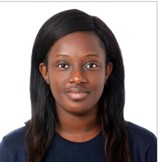
Dr. Sarah Appau Tuffour, started out as a medical officer at the Eastern Regional Hospital, Koforidua, she is currently undergoing membership training in Emergency Medicine at UGMC/Korle Bu. She clarifies her interest in the specialty as being driven by an unrelenting urge to help others in time of crisis by providing immediate care that saves lives. Her other motives are captured in her interest in engaging in multidisciplinary-based collaborations to render comprehensive care, continuous learning and adaption to new medical developments and resolving challenges in fast paced and dynamic encounters.
Dr. Tuffour aspires to further her training after membership with a fellowship enrolment in Emergency Cardiology. She is also passionate about the idea of taking up a lectureship in the future and plans to engage the specialty training scene as a trainer one day. This aim is one that she understands will be achievable through consultancy practice and active involvement in research. Another mark of her determination and passion is realized in the intention to also one day, establish a catheterization laboratory for patient who may need emergency thrombolysis to help avert the high mortality among patients with Myocardial infarction.
When asked about the depletion of healthcare professionals through the brand drain menace, she bemoaned its devastating results. She outlines poor work conditions as reflected through high workload and little remunerations as its catalyst and believes it can be managed to an ineffective degree if work conditions for medical professionals improve.
Touching on the state of her training, she remarked that her experience has been positive, with helpful trainers and insightful tutorials. She grasps from experience, that the schedule of a doctor-in-training can be overwhelming. Yet she credits the tenacity of her character as what keeps her afloat such that she excels through waves of academic demands and tides of clinical duties. When away from work and academic responsibilities, she dedicates her time to reading a good book or cooking a new recipe.
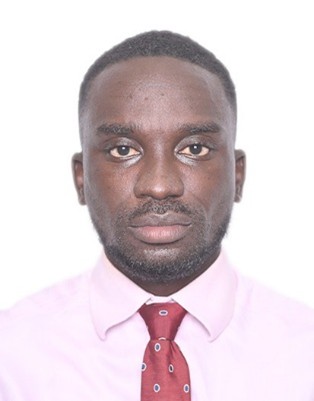
Dr. Dennis Ampem-Darko is currently undergoing membership training in General Surgery at the Eastern Regional Hospital. He is very passionate about the field of surgery and intends to pursue a fellowship right after completing his membership training. Despite enduring a conflict of passions, as he considers a trilemma of interests between cardiothoracic surgery, urology and plastic surgery, regarding the direction for his fellowship training. He has, however noted a growing and sustained keenness of curiosity for issues relating to surgical complications of diabetes and hopes to one day uplift a project that can advance studies in said area.
Further to his future aspirations, Dr. Darko has expressed interest in being involved in specialty training in Ghana. He plans to be engaged as a trainer, who can impact the next generation of doctors and health professionals through teaching and research practice. When invited for comments on the issue of medical brain drain, he asserts that the lack of basic work tools and/or conditions, and economic hardship underlie the issue. Nonetheless, he is convinced that recognizing and rewarding those within the healthcare industry, who resisted the allure of emigration to stay and help the industry will curb the issue. On the state of his current training experience, Dr. Darko remarked positively about his encounters with readily- available trainers, easy-to-grasp tutorials and insightful hands-on practical sessions. Away from work and training, he spends time playing football and table tennis.

Dr. Georgina Asantewaa is currently undergoing membership training in General Surgery at the Eastern Regional Hospital. Her choice of specialty training is due to her appreciation of the surgical discipline as one that equips with the skills to create rigorous patient-tailored decisions in solving problems. She also enjoys hands-on endeavours in addressing challenges and understands the discipline as an avenue to develop proficient manual dexterity. It is her intention to follow up her membership training with a fellowship enrolment.
Dr. Asantewaa has expressed interest in research undertakings and aspires to take up the duties of a specialty trainer in the future. She expressed concern on the impact of the medical brain drain, describing increased workload and burnout conditions that doggedly trails the dwindled number of professionals in the health industry. She hopes that through her aspirations she will be able to help alleviate the burden of medical brain drain. Her description of her training experiences has been positive, as she has commended the availability and readiness of trainers to provide assistance when needed. She also stated that even in the absence of sub-specialty units, there is not shortage of referrals and this has made it easier to gain practical exposure to a wide variety of common and rare surgical conditions. However, the issue of increased workload and longer working hours, according to her, affects balanced efforts for academic work and clinical work. She believes that a clearly outlined monthly or rotation-based schedule with flexible working hours and relatively less workload can provide some remedy. When she is not engaged with work or academic duties, Dr. Asantewaa spends her leisure contacting family, playing lawn tennis or enjoying a movie.
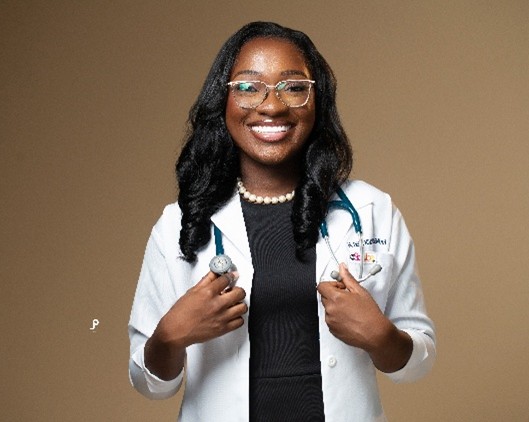
Dr. Erica Ntiamoah-Mensah is a membership trainee enrolled to the Obstetrics and Gynaecology faculty. She is undergoing her training at the Greater Accra Regional Hospital. She describes her formative experience which nurtured a strong sensitivity to women’s health as part of what inspired her choice of specialty training. She also credits her experiences as a one-time junior clerk at an Obstetrics and Gynaecology consultancy as what motivates her. She plans to enrol for fellowship after exhausting some time after membership training, in refining her skills in relevant healthcare endeavours.
Dr. Ntiamoah-Mensah expressed an undaunting passion for both surgery and public health enterprises. Touching on the latter passion, she stated that she would one day, love to embark on a nationwide campaign focused on cervical cancer prevention, promoting screening and HPV vaccination, along with other interventions targeting preventable women’s health conditions. On the former passion, she divulges among other aspirations, the desire to prove instrumental to specialty training by being a hands-on trainer with a keen interest in curriculum development such that it improves and modernizes training methods.
Her comments on the effect of medical brain drain details systemic gaps such as delays in postings, limited training opportunities and financial and administrative challenges post-housemanship as the underlying cause. She is however hopeful for improvement, states the reason for these sentiments are due to recent policy reforms that have streamlined training pathways and shortened time required for qualification. On the issue of her training experiences, she clarifies that it has been rigorous and rewarding as she has been able to develop her clinical skills and surgical skills with the helpful presence of skilled trainers. She also finds the departmental and the College lectures enriching. During hours away from work, Dr. Ntiamoah-Mensah spends time with a good novel or uploading content to her social media accounts. She also enjoys singing and has described herself as an amateur singer.
Dr. Linda Kabukie Olaga is a trainee under membership training in Laboratory Medicine (Haematology). She is very passionate about Haematology and describes the drive behind her aspiration as an innate fascination. She is also spurred on by the low number of haematologists in Ghana, which she seeks to help address by acquiring the required competency for absorption into its professional ranks. To this end, she plans to help establish a thriving haematology department at her current training facility in the Eastern Regional Hospital, after completing her membership. She also recognizes having an avid interest in cytogenetic analysis of Hodgkin Lymphoma patients with poor response to chemotherapy; she hopes to have an impactful touch on research and clinical practice in this subject.
When asked of her views on the incidence of the flight of medical professionals and its impact on the healthcare industry, Dr. Olaga observes it to be a devastating occurrence. She states that it contributes to the lowering of professional standards and poor psychological health of doctors who chose to stay. Taking up the mantle of specialist trainer and contributing to research endeavours, is one way she believes she can help address the brain drain menace. Though she appreciates the quality of training she has received thus far, she is of the conviction that it can be improved with increments in the number of consultants. Dr. Olaga understands the drudgery that sometimes comes with a clockwork schedule and she offsets this by keeping in touch with her family and partner and also watching documentaries in her spare time.